 Kinky Thinking
On this page
A hogtie is a bondage position where someone’s wrists are tied behind their back, their ankles are tied together, and then the wrists and ankles are joined. The result is that the person lies, usually face down, almost unable to move. It’s an iconic, very helpless-feeling position, and one of the more dangerous ones in bondage.
Why it appeals
- Total helplessness. There’s almost nothing the tied person can do, which is a big part of the thrill for people who enjoy surrender.
- The look and the struggle. It’s a dramatic position, and wriggling against it is part of the fun for some.
- Power. For the person who tied it, having their partner so completely in their hands is the appeal.
Why it needs real care
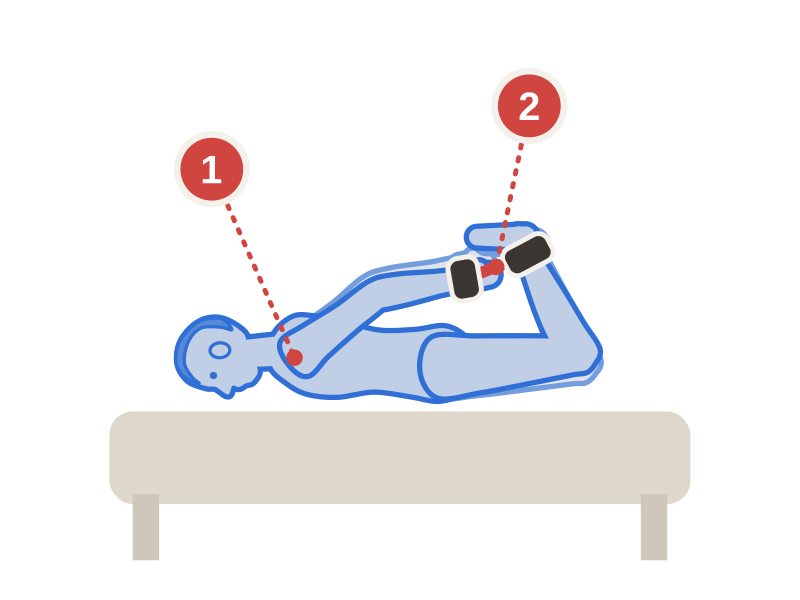
When someone lies face down with their arms and legs pulled back, their chest has less room to expand. Breathing gets harder, and the person may not notice how tired they’re getting. This is called positional asphyxia, and it’s the reason many police forces no longer allow hogtie restraint. The risk rises when:
- the connection between wrists and ankles is tight, pulling the body into an arch,
- the person is heavier, or has asthma or other breathing problems,
- they’ve been drinking or taking drugs,
- it lasts more than a few minutes,
- anything else restricts breathing, like a gag, a hood, or a pillow under the face.
A safer way to try it
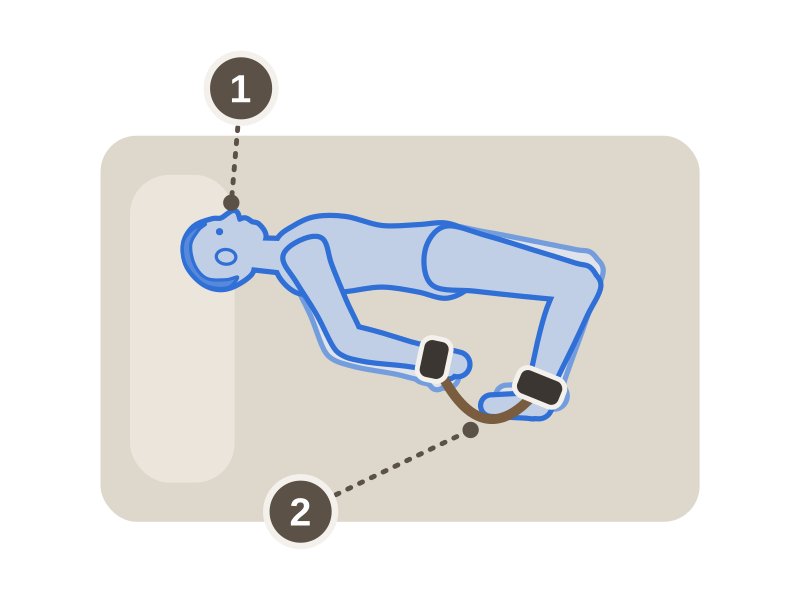
- Use padded cuffs on the wrists and ankles, joined with a quick-release clip, rather than rope you have to untie.
- Keep the connection long and loose. The body shouldn’t be pulled into an arch. Joining wrists and ankles loosely, or not joining them at all, still feels very restrictive.
- Lie on the side rather than the front if you can. It’s much easier to breathe.
- Keep it short. A few minutes is plenty the first time.
- Stay right there, talking and checking in the whole time.
- Keep safety scissors in reach if you use rope or anything that can’t be unclipped instantly.
Agree a safeword beforehand, and don’t add a gag, so the person can always use it.
Never
- Leave someone hogtied alone, even for a moment.
- Pull the tie tight or put weight on their back.
- Combine it with gags, anything around the neck, or breath play.
- Hogtie anyone who’s drunk, high, or has breathing problems.
Stop if…
- Breathing becomes fast, shallow or laboured, or they say it’s hard to breathe.
- Hands or feet go numb, tingly, cold, pale or blue-ish.
- They seem confused, sleepy, panicky or stop responding.
Release first, then help them sit up slowly and check in.
Where to go from here
For lower-risk restraint, try a spreader bar, under-bed restraints, the ideas in our bondage ideas guide, or one of our bondage positions. Our list of kinks covers the rest of the bondage family.
Try it together
Frequently asked questions
What is a hogtie?
A hogtie is a bondage position where someone's wrists are tied behind their back, their ankles are tied together, and the wrists and ankles are then joined, so they're held lying down, usually face down, with very little ability to move.
Is hogtying dangerous?
It carries real risk. Lying face down with the limbs pulled back can stop the chest expanding properly and make breathing harder, especially if the tie is tight, the person is heavy, or it lasts a long time. Kept loose, short and closely watched, the risk is lower, but it never goes away.
What's a safer alternative to a full hogtie?
Tie the wrists and ankles separately without joining them, or join them with a long, loose connection so the person isn't pulled into an arch. Lying on the side rather than the front also makes breathing much easier.
How long can someone stay hogtied?
Only a few minutes, especially at first. Arms and shoulders get uncomfortable fast, and breathing risk rises with time. Check in constantly, and release them at the first sign of numbness, struggling to breathe or panic.
What do you tie a hogtie with?
Padded cuffs joined with a quick-release clip are the easiest and safest option. Rope works too, but takes more skill to tie safely. Avoid anything that tightens when pulled, like zip ties, and keep safety scissors within reach.