 Kinky Thinking
On this page
Kitten play is a type of pet play where one partner takes on the personality of a cat. They might purr, curl up in a lap, play with a feather toy, demand attention and then wander off. Another partner acts as their owner or caregiver, feeding, stroking, playing with and gently disciplining them. It’s a consensual roleplay between adults, and it can be cozy and affectionate or part of sex.
What kittens are like
Every kitten is different, but common traits include:
- Playful: chasing toys, pouncing, batting at things.
- Affectionate: asking for strokes, nuzzling, curling up close.
- Independent: coming for attention on their own terms, and sometimes pretending not to care.
- Mischievous: knocking things over, ignoring commands, getting into trouble. This can overlap with being a brat.
Kittens versus puppies
Puppy play is usually bouncy, eager and keen to please. Kitten play has a different feel: more independent, more about being pampered and adored, and with more of an “I’ll come when I feel like it” attitude. Some people enjoy both. And for a more disciplined, training-focused take on pet play, see pony play.
Gear (all optional)
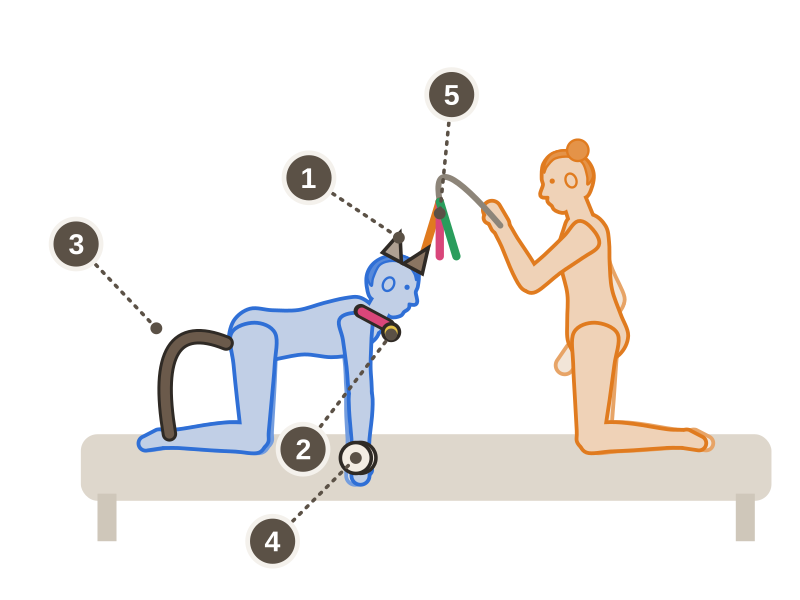
- Cat ears on a headband.
- A collar, often with a bell or a name tag. See our collar picks.
- A tail, on a belt or as a body-safe plug with a flared base.
- Paw mittens or gloves.
- Toys: feather wands, balls, a ball of yarn.
- A bowl and a cushion to make a “kitten corner”.
Why people enjoy it
- Letting go. No adult responsibilities for a while, just being a cat.
- Being cared for: fed, stroked, fussed over and adored.
- Playfulness: silliness and fun that grown-up life doesn’t leave much room for.
- For owners: the joy of caring for and playing with a partner, and gently being in charge.
Starting out
- Talk first. Agree what kitten play means to you, whether it’s sexual, and any limits. Our yes/no/maybe list is a good place to start.
- Set a safe signal. Kittens often don’t speak, so agree something like a tap, a hiss pattern, or simply speaking normally to step out of the role.
- Keep the first scene short and simple: ears, some play with a toy, cuddles and a treat.
- Pad the floor if there’s crawling, and take breaks for knees and wrists.
Stop if…
- The kitten uses the safe signal or seems genuinely upset rather than playful.
- Anyone has knee, wrist or back pain.
- It stops feeling fun for either of you.
Afterwards
Step out of the roles gently: take off the gear, have a drink and a snack, and talk about what you liked. If you’re the owner, our guide to being a handler in pet play has more on looking after a partner in pet headspace. Browse the roleplay section of our list of kinks for more ideas.
Try it together
Frequently asked questions
What is kitten play?
Kitten play is a type of pet play where one partner takes on the personality and behavior of a cat or kitten: purring, curling up, playing with toys, being stroked and fed. Another partner usually acts as their owner or caregiver. It's a consensual roleplay between adults.
Is kitten play sexual?
It can be either. For some people it's a cozy, affectionate headspace with nothing sexual about it. For others it's part of sex or a wider dom/sub dynamic. Agree what it means for the two of you beforehand.
What gear do you need for kitten play?
None to start. Popular extras are cat ears, a collar with a bell, a tail, paw mittens, and toys like a feather wand or a ball of yarn. Any tail plug should be body-safe and have a flared base.
What's the difference between kitten play and puppy play?
Puppies are typically eager, bouncy and keen to please. Kittens are more independent: affectionate on their own terms, curious, playful and sometimes deliberately aloof or mischievous, which can overlap with bratting.
Is kitten play the same as age play?
No. Kitten play is about taking on an animal role, not a younger age. The word 'kitten' just means a young cat. The two are separate kinks, though some people enjoy both.