 Kinky Thinking
On this page
Wax play means intentionally dripping warmed candle wax onto a partner’s skin during a scene, for the combined sensation of heat, weight, and the sound and sight of it hardening. It’s one of the more accessible entry points into sensation play — no specialty equipment required, and the intensity is easy to control just by changing which candle you use and how far above the skin you hold it.
The one rule that actually matters
Never use a standard paraffin decorative candle. Ordinary candles burn at a temperature that can genuinely burn skin. Wax play specifically calls for:
- Purpose-made wax play candles, formulated to melt at a lower, skin-safe temperature.
- Unscented, low-melting-point soy candles as a more available alternative — avoid scented and dyed candles, since the additives that make them smell or look a certain way can also raise the burn risk.
- A test drop on your own wrist first, every time, before using it on a partner. Wax temperature varies by brand and by how long a candle has been burning, so this isn’t a one-time check.
Choosing wax play candles
When you’re shopping, look for:
- Candles labelled for wax play or massage, with the melting temperature listed. Lower is gentler.
- Plain, unscented soy candles, without glitter or dye, if you can’t find purpose-made ones.
- Massage candles that melt into a warm oil rather than wax. They’re the gentlest option and double as massage oil.
- A steady, wide base so the candle won’t tip, and a clear, uncluttered space to use it.
Avoid beeswax for dripping unless the maker says it’s suitable: it melts at a higher temperature than soy. Even with the right candle, test a drop on your inner wrist every time.
How drop height changes the sensation
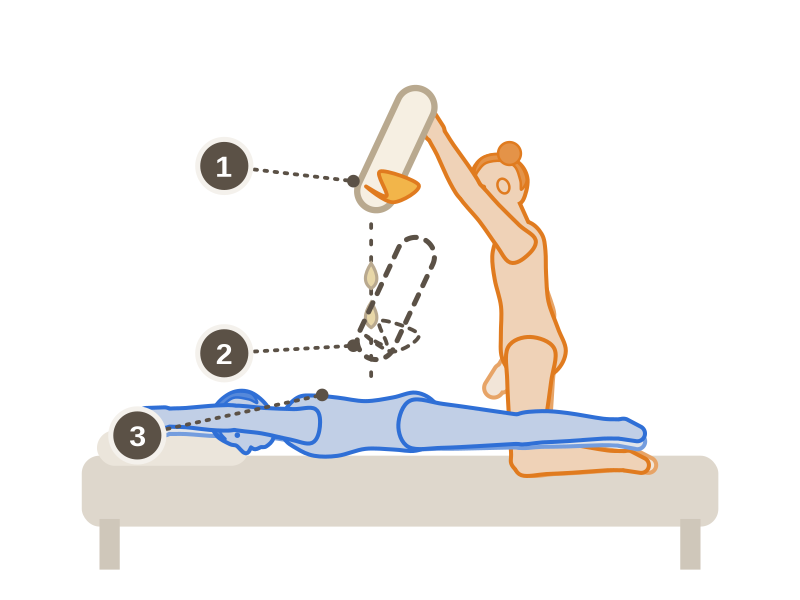
The higher above the skin you hold the candle, the more the wax cools in the air before landing — which makes intensity easy to adjust in real time without switching tools. Starting from further away and gradually lowering the candle as a scene progresses is a common way to build sensation gradually rather than starting at maximum intensity.
Where to drip it (and where not to)
Flatter, more padded areas — the back, chest, stomach, and thighs — handle wax well and are the standard starting points. Avoid the face, genitals, nipples (until you have real experience gauging tolerance), and anywhere skin is especially thin. Keep hair clear of the area, since dripped wax can be a genuine fire risk near loose hair, and always play near a safe, controlled flame — never leave a lit candle unattended, even briefly.
Cleanup
Let the wax cool and harden fully before removing it — trying to peel it off warm usually just smears it. Once hardened, it typically flakes off by hand or with a dull, flat edge like a credit card. A layer of body oil or lotion applied before the scene makes this considerably easier and also adds a small buffer against heat.
Curious how wax play compares to other sensation and impact options? See our full list of kinks for where it fits alongside temperature play and impact play, or take our quiz if you’re still figuring out what kind of sensation actually appeals to you.
Try it together
Frequently asked questions
Does wax play actually hurt?
It's more about heat and sensation than pain in the impact-play sense — most people describe it as a sharp warmth rather than sharp pain, especially with the right candle type and drop height. That said, sensation intensity is easy to adjust, so it can lean more painful if that's what you're after.
Can you use any candle for wax play?
No — this is the single most important safety rule. Standard decorative or paraffin candles burn far too hot and can cause real burns. Use candles specifically sold for wax play, or unscented, low-melting-point soy candles, and always test the wax on your own wrist first.
Where on the body is wax play safe?
Flatter areas with more fat and muscle underneath — back, chest, stomach, thighs — are generally safer than bony areas or thin skin. Avoid the face, genitals, and anywhere near the eyes, and never drip wax near flammable hair without protecting it first.
How do you get wax off skin afterward?
Once it's cooled and hardened, most wax flakes off easily by hand or with a dull edge like a credit card. Body oil applied before the scene also makes cleanup considerably easier.
Is wax play beginner-friendly?
Yes, relative to a lot of sensation play — it requires no special equipment beyond the right candle, and the sensation is easy to dial up or down by changing drop height. It pairs well as an early sensation-play experiment for couples curious about impact or temperature play more broadly.